How to Crochet the Plaid Stitch (Buffalo Plaid Crochet Tutorial)
Disclosure: This post may contain affiliate links. If you make a purchase through these links, I may earn a small commission at no additional cost to you.
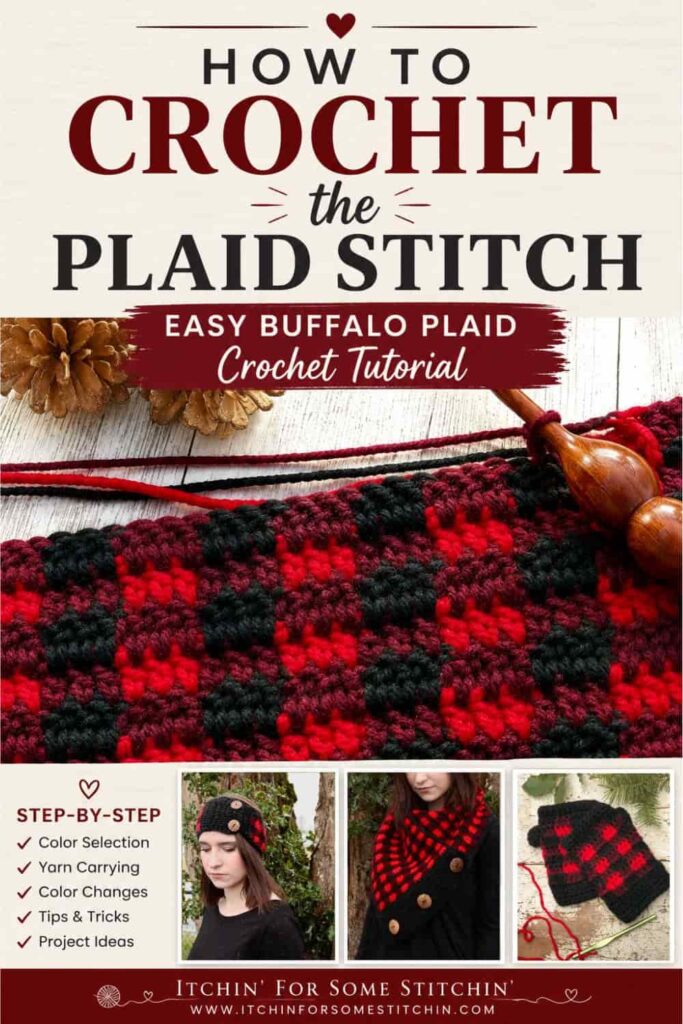
Learn how to crochet the plaid stitch using the buffalo plaid crochet technique. This step-by-step tutorial will teach you everything you need to know, from choosing colors and carrying yarn to changing colors and creating beautiful plaid crochet projects.
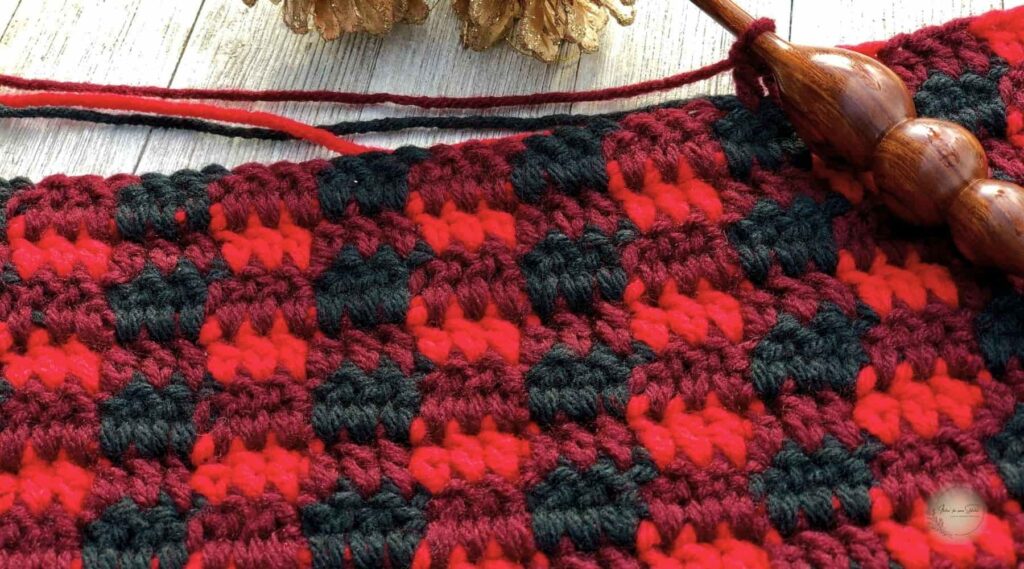
The plaid stitch is one of the most eye-catching colorwork techniques in crochet. While it may look complicated at first glance, it's actually built using basic crochet stitches and strategic color changes.
By combining three coordinating colors and carrying yarn throughout your work, you can create the classic buffalo plaid look that has become a favorite for fall, winter, rustic décor, and cozy accessories.
Whether you're making ear warmers, cowls, fingerless gloves, blankets, or home décor projects, learning how to crochet the plaid stitch opens the door to countless design possibilities.
Table of Contents
What Is the Plaid Stitch?
The plaid stitch is a crochet colorwork technique that uses three coordinating yarn colors to create a woven plaid appearance.
Unlike traditional stripes that change colors only between rows, plaid crochet alternates colors both within rows and between rows. This layering of color blocks creates the illusion of a woven fabric.
Most plaid crochet patterns use three color values:
- Light
- Medium
- Dark
The medium color acts as the bridge between the light and dark shades and is what gives buffalo plaid its signature appearance.
While there are many variations of plaid crochet, the classic buffalo plaid version is by far the most popular.
Common examples include:
- Red, black, and white
- Gray, charcoal, and black
- Cream, brown, and rust
- Mustard, cream, and chocolate
The plaid stitch is most often worked using double crochet stitches, making it accessible to adventurous beginners and experienced crocheters alike.
Why You'll Love the Plaid Stitch
There are many reasons crocheters fall in love with the plaid stitch.
Warm and Cozy
The carried yarn creates a thicker fabric than standard crochet, making it ideal for cold-weather accessories and home décor.
Easier Than It Looks
The finished result looks intricate, but the technique is built from simple stitches and repeated color changes.
Highly Customizable
You can create traditional buffalo plaid, seasonal plaids, rustic plaids, farmhouse plaids, or modern color combinations simply by changing your yarn colors.
Great for Many Projects
The plaid stitch works beautifully for:
- Ear warmers
- Cowls
- Fingerless gloves
- Scarves
- Beanies
- Blankets
- Pillows
- Table runners
- Baskets
Once you learn the technique, you'll find yourself using it again and again.
Skill Level
Advanced Beginner
You should be comfortable with:
- Chain stitch
- Double crochet
- Turning your work
- Basic color changes
If you've never carried yarn before, don't worry. We'll cover that later in this tutorial.
Crochet Abbreviations
- ch = chain
- dc = double crochet
- st = stitch
- rep = repeat
- sk = skip
Materials Needed
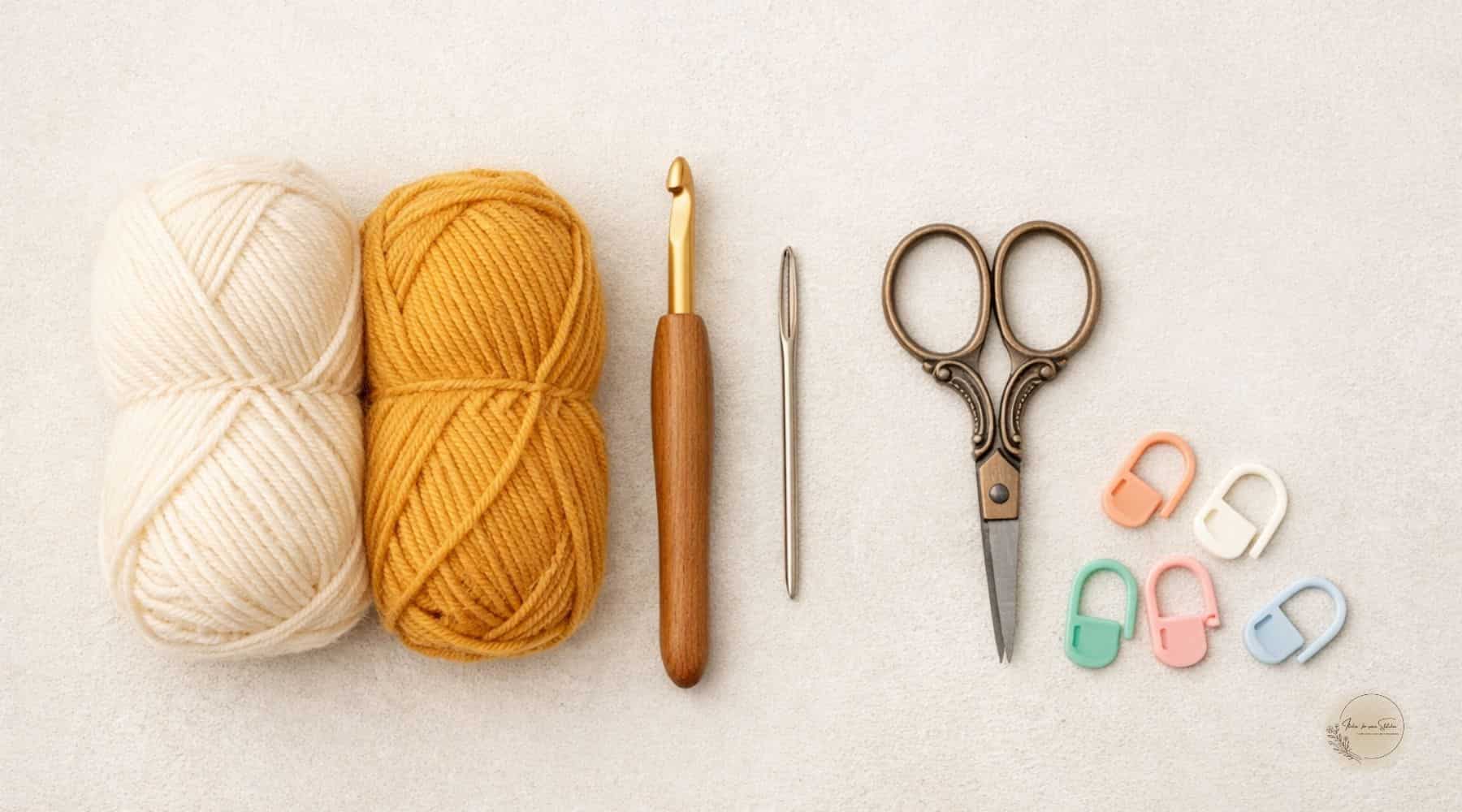
For practice, you'll need:
- Three coordinating colors of worsted weight yarn
- Crochet hook appropriate for your yarn
- Scissors
- Yarn needle
Using worsted weight yarn makes it easier to see your stitches and understand how the colors interact.
Choosing Colors for Plaid Crochet
The most important part of creating beautiful plaid crochet is selecting colors that work together.
Because plaid relies on visual contrast, you need three distinct color values.
Dark Color Ideas
- Black
- Dark Brown
- Navy
- Charcoal
- Deep Forest Green
Medium Color Ideas
- Burgundy
- Rust
- Medium Gray
- Medium Brown
- Denim Blue
Light Color Ideas
- Cream
- White
- Mustard
- Light Gray
- Soft Beige
The medium color should visually bridge the gap between the dark and light shades.
If your medium color is too close to either the light or dark shade, the plaid effect won't be as noticeable.
Understanding How Plaid Crochet Works
The magic of plaid crochet comes from alternating color blocks throughout each row.
Most plaid patterns use groups of three stitches.
A typical repeat might look like:
- 3 dc Dark
- 3 dc Medium
- 3 dc Dark
- 3 dc Medium
The following row may use:
- 3 dc Light
- 3 dc Medium
- 3 dc Light
- 3 dc Medium
As these color blocks stack and overlap, the plaid pattern begins to emerge.
Unlike tapestry crochet, which often creates images or motifs, plaid crochet focuses on repeating color relationships to create a woven appearance.
Plaid Stitch Chart
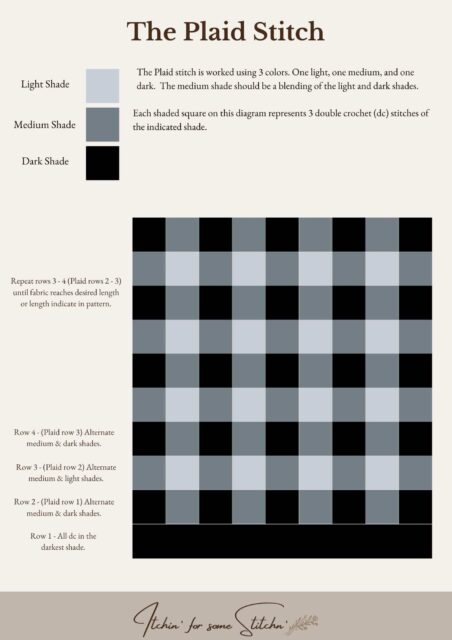
Want to keep this chart handy?
You can download the printable Plaid Stitch Chart PDF inside the Free Fiber Stash Library, along with other crochet reference tools and guides.
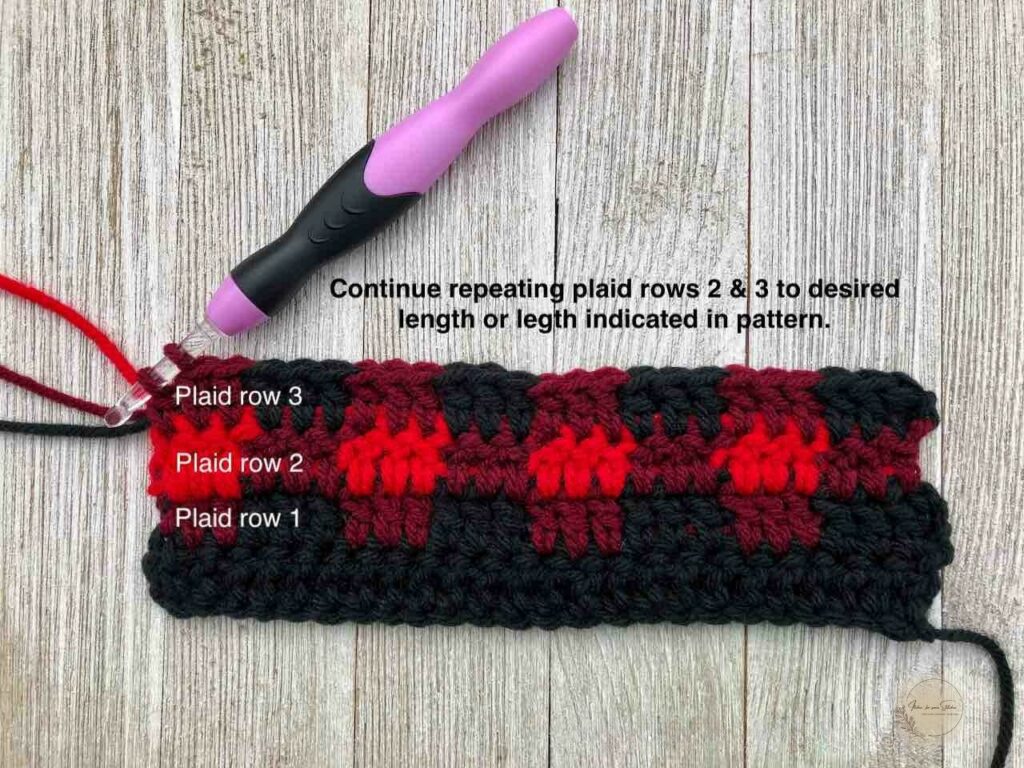
Plaid Stitch Practice Swatch
Before starting a larger project, it's helpful to practice how to crochet the plaid stitch with a small swatch.
Foundation
Ch 25
Row 1
Dc in fourth chain from hook and across.
Row 2
Ch 3, turn.
Work:
- 3 dc Dark
- 3 dc Medium
- 3 dc Dark
- 3 dc Medium
Continue across.
Row 3
Repeat using:
- 3 dc Light
- 3 dc Medium
- 3 dc Light
- 3 dc Medium
Continue across.
Rows 4-10
Continue alternating rows 2 and 3 while maintaining your color pattern.
After several rows, you'll begin to see the plaid effect develop.
Video Tutorial
Watching the technique in action can make learning plaid crochet much easier.
If you're a visual learner, I highly recommend following along with the video while practicing your swatch.
How to Carry Yarn Horizontally
One of the secrets to creating clean plaid crochet is carrying unused yarn through your stitches.
Instead of cutting yarn every time you change colors, you'll work over the unused strand as you crochet.
To carry yarn:
- Lay the unused yarn across the top of the previous row.
- Insert your hook as normal.
- Work the stitch over the strand.
- Continue carrying the yarn until it's needed again.
The yarn becomes hidden inside the stitches.
Benefits include:
- Fewer ends to weave in
- Faster finishing
- Less yarn waste
- Cleaner project construction
How to Carry Yarn Up the Side
When changing colors between rows, you often don't need to cut the yarn.
Instead, carry the yarn up the side.
To do this:
- Drop the unused color.
- Pick up the new color.
- Continue working.
- Leave enough slack to prevent puckering.
Many projects hide the carried yarn inside seams, borders, or edging.
How to Change Colors in the Middle of a Row
Clean color changes are essential for plaid crochet.
For the neatest results:
- Work the stitch until two loops remain on your hook.
- Yarn over using the new color.
- Pull through both loops.
- Drop the old color.
- Continue crocheting with the new color.
This places the color change at the top of the stitch and creates crisp color blocks.
Tips for Success When Learning the Plaid Stitch
Working with multiple colors can feel a little overwhelming at first, but a few simple habits can make the process much easier.
Keep Your Yarn Organized
The plaid stitch requires working with three colors at the same time. To help prevent tangles, keep your yarn skeins separated and untwist them as needed while you work.
My Favorite Trick for Managing Multiple Colors - When working the plaid stitch, I keep each yarn color in a yarn storage bag with separate feeding holes. This prevents the yarn from twisting around itself and helps keep everything organized while I work. Since the plaid stitch requires frequent color changes, having each yarn feed from its own opening can make the process much less frustrating.
Start With a Small Practice Swatch
Before diving into a larger project, spend some time practicing on a small swatch. This allows you to focus on color changes and yarn carrying techniques without worrying about shaping or sizing.
Check Your Tension Often
Because you're carrying unused yarn through your work, it's important to make sure the carried strands aren't too tight or too loose. The yarn should rest comfortably along the top of the previous row without pulling the fabric or creating loops.
Use High-Contrast Colors
The plaid effect is easiest to see when your light, medium, and dark colors have clearly different values. If the colors are too similar, the plaid pattern can become difficult to distinguish.
Don't Worry About Perfection
Your first few rows may look uneven as you adjust to carrying multiple yarn colors. This is completely normal. Most crocheters find that their tension improves naturally after a few pattern repeats.
Practice Color Changes Slowly
Clean color changes are one of the keys to beautiful plaid crochet. Take your time and focus on changing colors during the final yarn-over of the previous stitch. As the technique becomes familiar, your speed will increase naturally.
Common Plaid Stitch Mistakes
Learning how to crochet the plaid stitch can take a little practice, especially when you're working with multiple colors. If your plaid doesn't look quite right yet, don't worry.
Here are a few common issues and simple ways to fix them.
- The Colors Don't Look Like Plaid
Usually the medium shade isn't effectively bridging the light and dark colors. Try increasing the contrast between your color values.
- My Carried Yarn Shows Through
Make sure the carried yarn is neither too loose nor too tight. It should have just enough tension to rest comfortably along the top of the previous row without pulling or sagging. Also, choose colors that coordinate well together. Since the carried yarn can sometimes peek through your stitches, a bright or highly contrasting color carried beneath a neutral palette may be visible and disrupt the overall plaid effect.
- My Fabric Is Puckering
Your carried yarn may be too tight. Make sure the yarn has enough slack to allow the fabric to stretch naturally.
- My Tension Is Uneven
This is extremely common when learning plaid crochet. Most crocheters find their tension evens out after several rows,
With a little practice, these common plaid stitch challenges become much easier to manage. Don't be discouraged if your first few rows aren't perfect. As you become more comfortable with color changes and carrying yarn, your stitches will become more even and your colorwork will look cleaner.
Before long, you'll be creating beautiful buffalo plaid crochet projects with confidence.
Plaid Stitch Project Ideas
Ready to put your new plaid stitch skills to use?
These free buffalo plaid crochet patterns are perfect for practicing the techniques you've learned in this tutorial. From cozy accessories to stylish cold-weather essentials, each project uses the same plaid crochet method to create that classic buffalo plaid look.
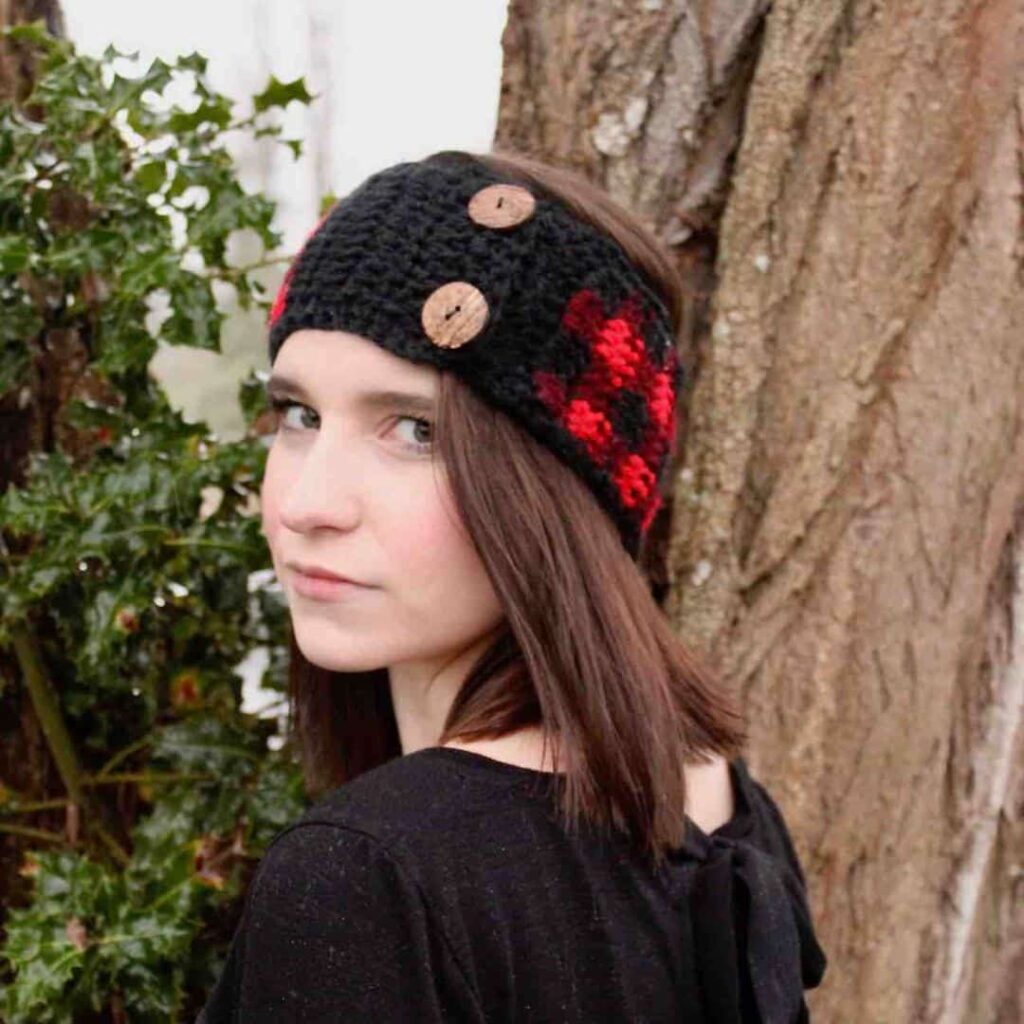
Simply Chic Buffalo Plaid Earwarmer
A quick and cozy project that's perfect for practicing plaid crochet color changes.
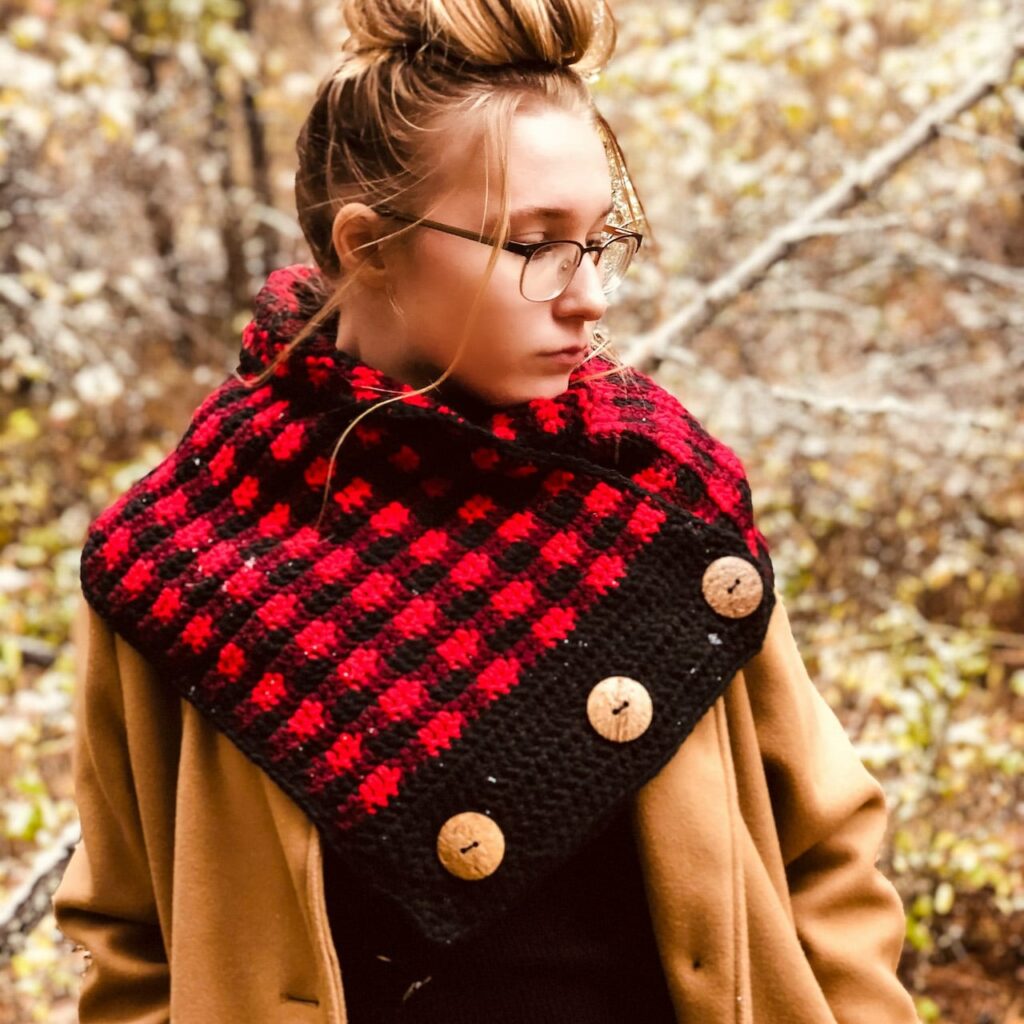
Simply Chic Buffalo Plaid Cowl
Create a cozy plaid cowl that's perfect for fall and winter.
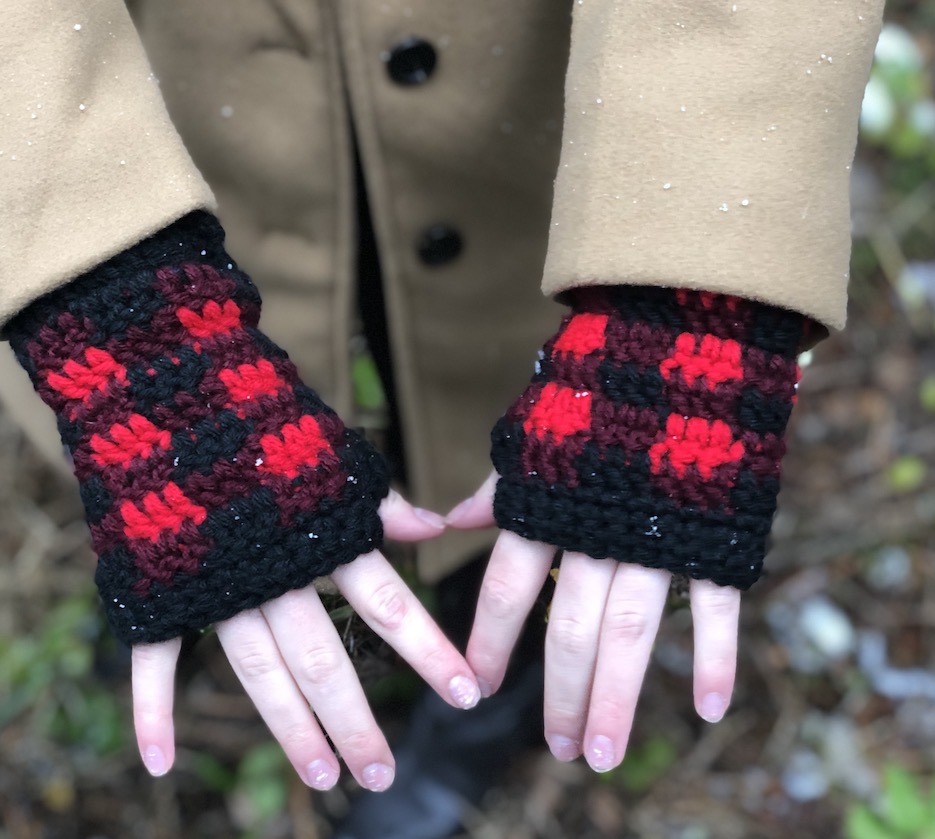
Simply Chic Buffalo Plaid Fingerless Gloves
Take your plaid crochet skills to the next level with these warm and practical fingerless gloves.
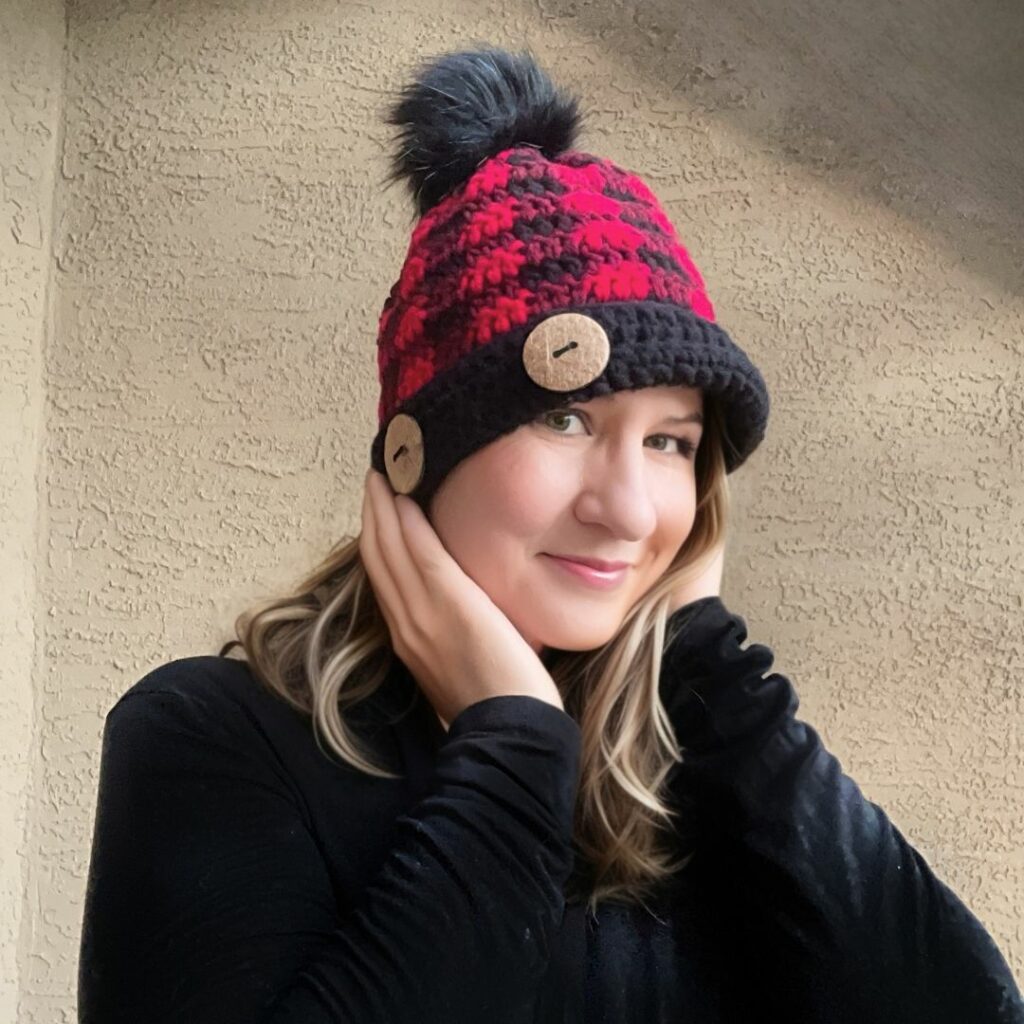
Simply Chic Buffalo Plaid Beanie
A classic buffalo plaid beanie to complete the collection.
Frequently Asked Questions – Plaid Stitch FAQs
Still have questions about the plaid stitch? Here are answers to some of the most common questions crocheters have when learning the buffalo plaid crochet technique.
Love Pinterest? I do!
Save this post for Later and follow all my boards.
Don't forget to save this plaid stitch crochet tutorial for later.
Pin it to your crochet stitch boards, crochet technique boards, or buffalo plaid crochet inspiration boards so you can easily find it again when you're ready to start your next project.
Once you've mastered the plaid stitch, you'll be able to create beautiful buffalo plaid crochet accessories, cozy home décor projects, and timeless handmade gifts using endless color combinations.

Thank you
I sincerely appreciate you visiting my website! By sharing my content and/or making a purchase you are making it possible for me to continue producing and sharing free content for everyone to enjoy. Your support is amazing!